Six reasons plumbers say no
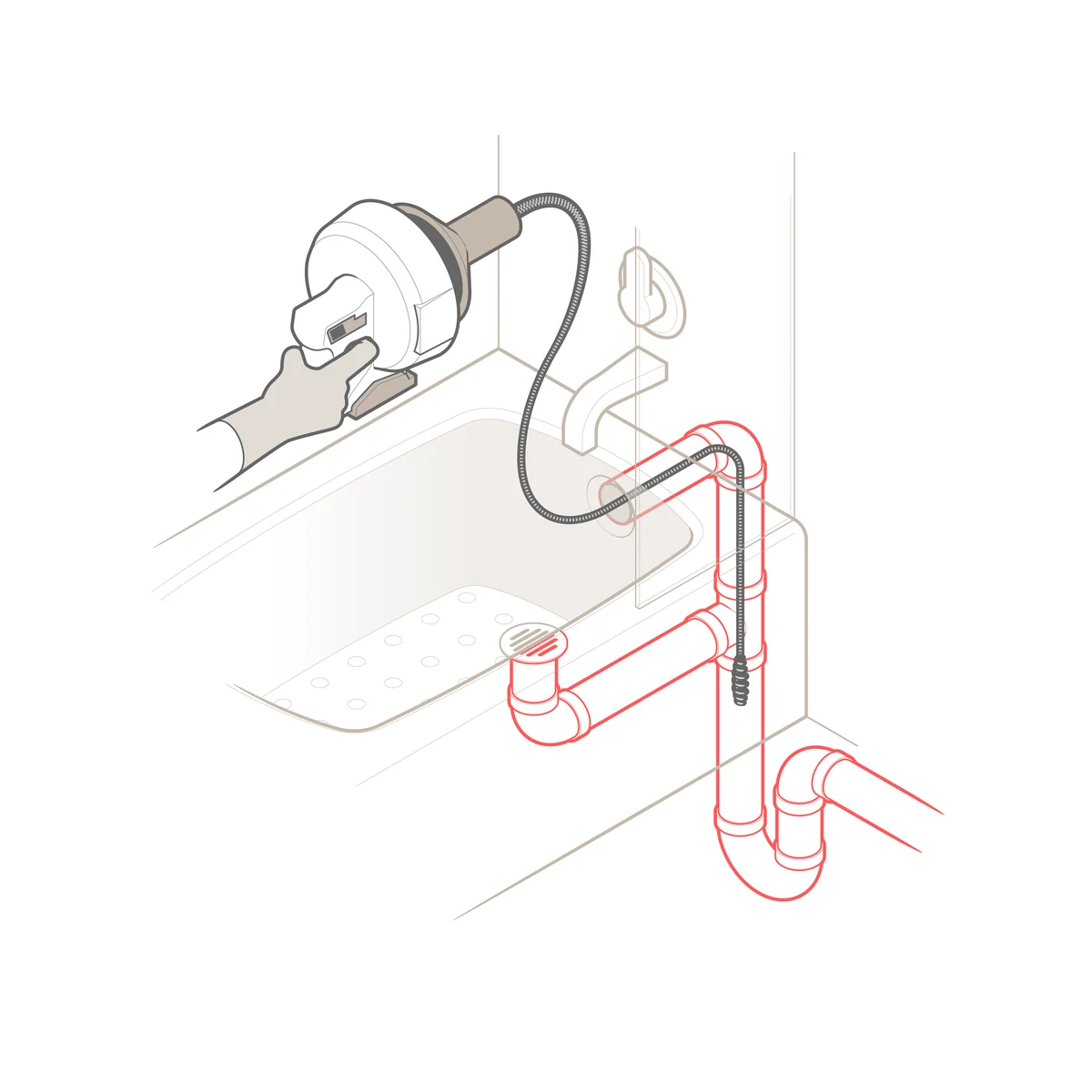
| It often doesn't reach the clog | Drain cleaner works on soft build-up it can sit against. It does nothing to a toy in a toilet, roots in a sewer line or a pipe that has sagged. In a fully blocked drain it just sits on top of the water. |
|---|---|
| Then you have a bigger problem | A sink or tub full of drain cleaner cannot be plunged safely, because plunging throws it back at your face and hands. These products are strong caustics or acids. They burn skin, and a splash in the eye can cause permanent blindness. |
| It is hard on pipes and fixtures | These products work by reacting, and the reaction makes heat. Sitting in a blocked pipe, they can attack old metal pipe, rubber seals, garburator parts and the finish on your fixtures. Most labels say not to use them in toilets at all. |
| Mixing products is dangerous | The usual pattern is one product, then another when the first fails. Different drain cleaners, or drain cleaner and bleach, can react violently and release toxic gas. In a small bathroom with the door shut, that can kill. |
| Septic systems depend on bacteria | A septic tank works because bacteria break the waste down. Caustic and acid cleaners kill them, and the tank stops doing its job. |
| It all ends up in the water | What goes down an indoor drain goes to treatment. What goes into an outdoor or storm drain does not: storm drains run straight to the nearest creek, untreated, and that creek has fish in it. |
What to do instead
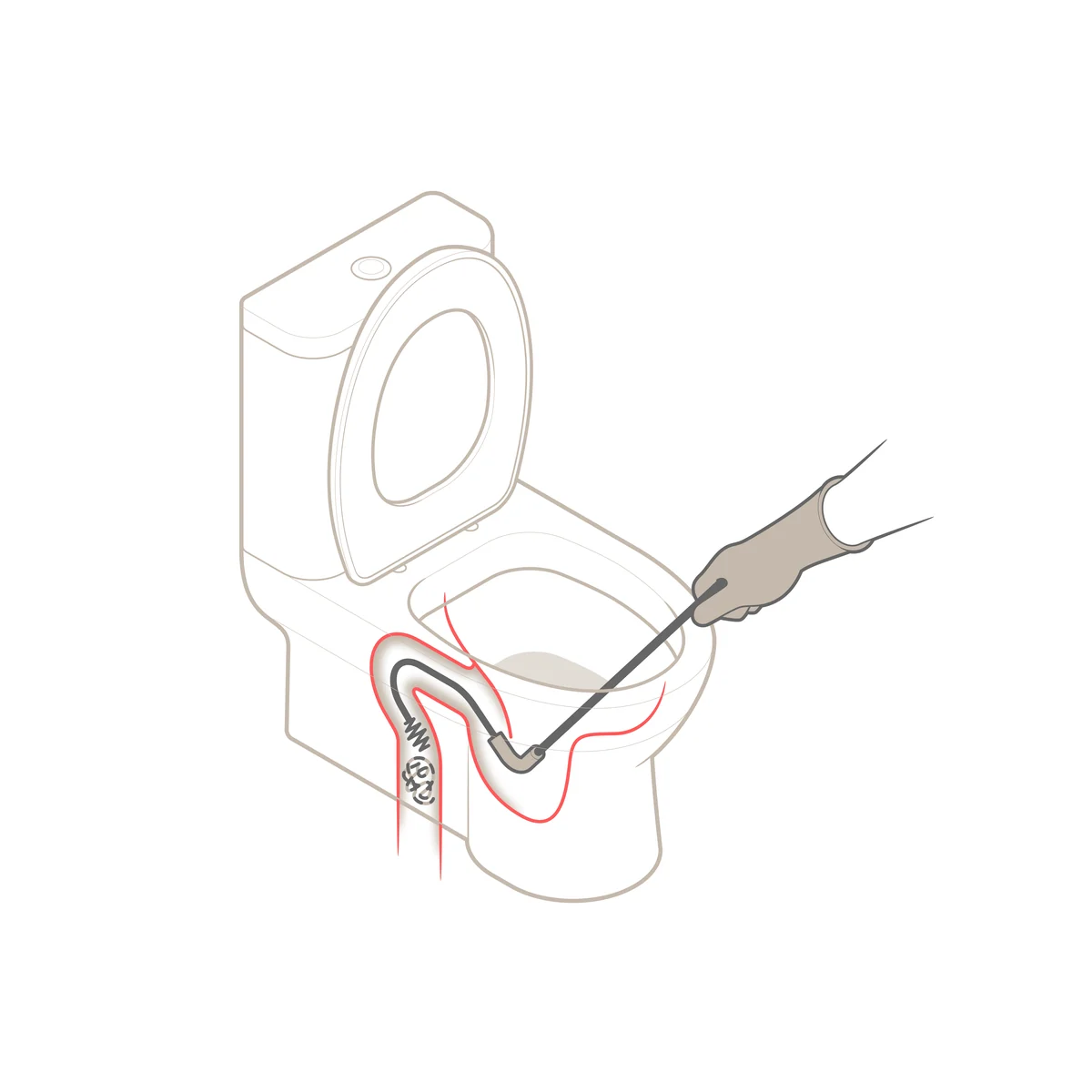
| Plunger | A cup plunger for sinks and tubs, a flange plunger for toilets. Block the overflow with a wet cloth so the pressure goes down the drain. |
|---|---|
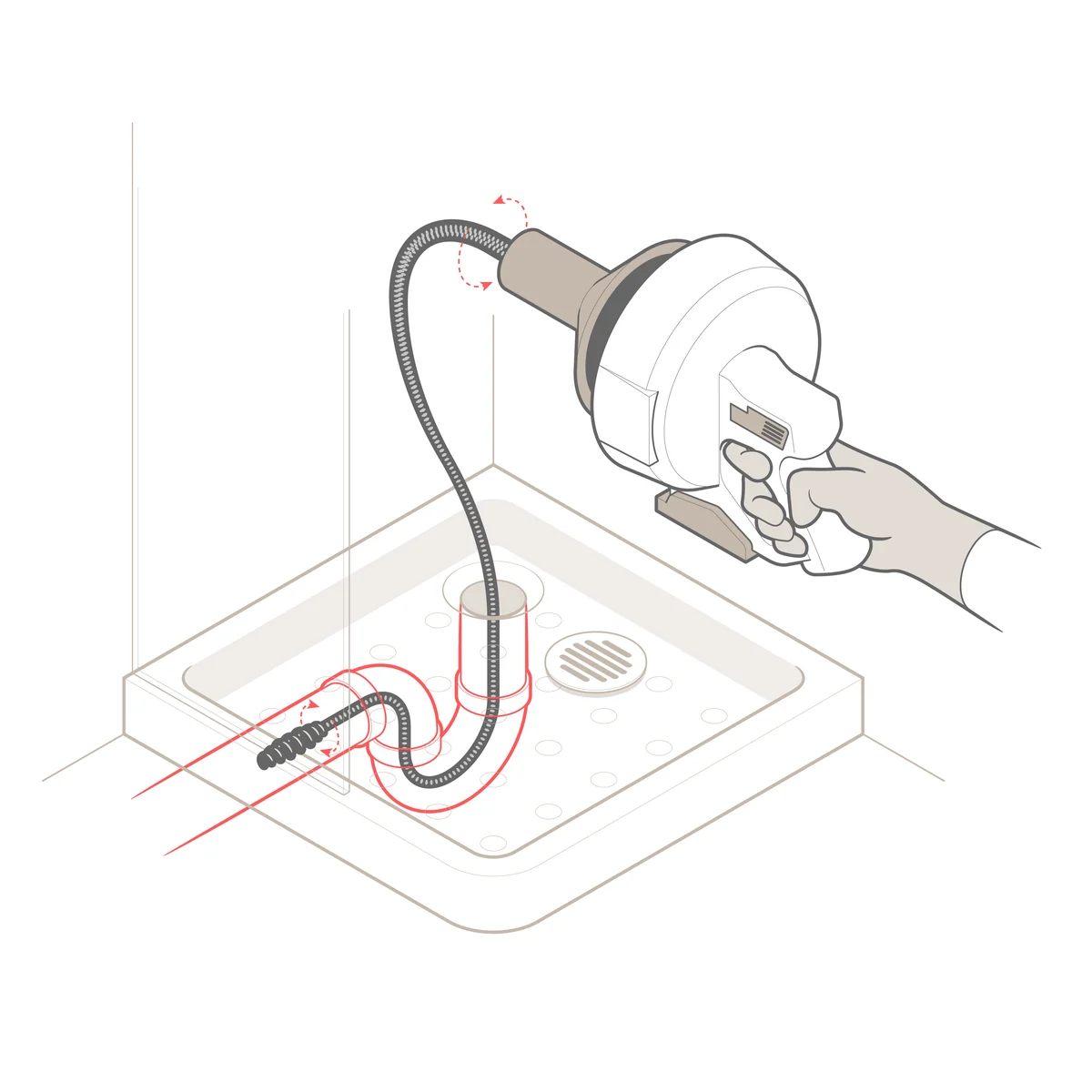
| Plastic hair tool | A barbed plastic strip pulls the hair clog out of a shower or tub in a minute. They cost a few dollars. |
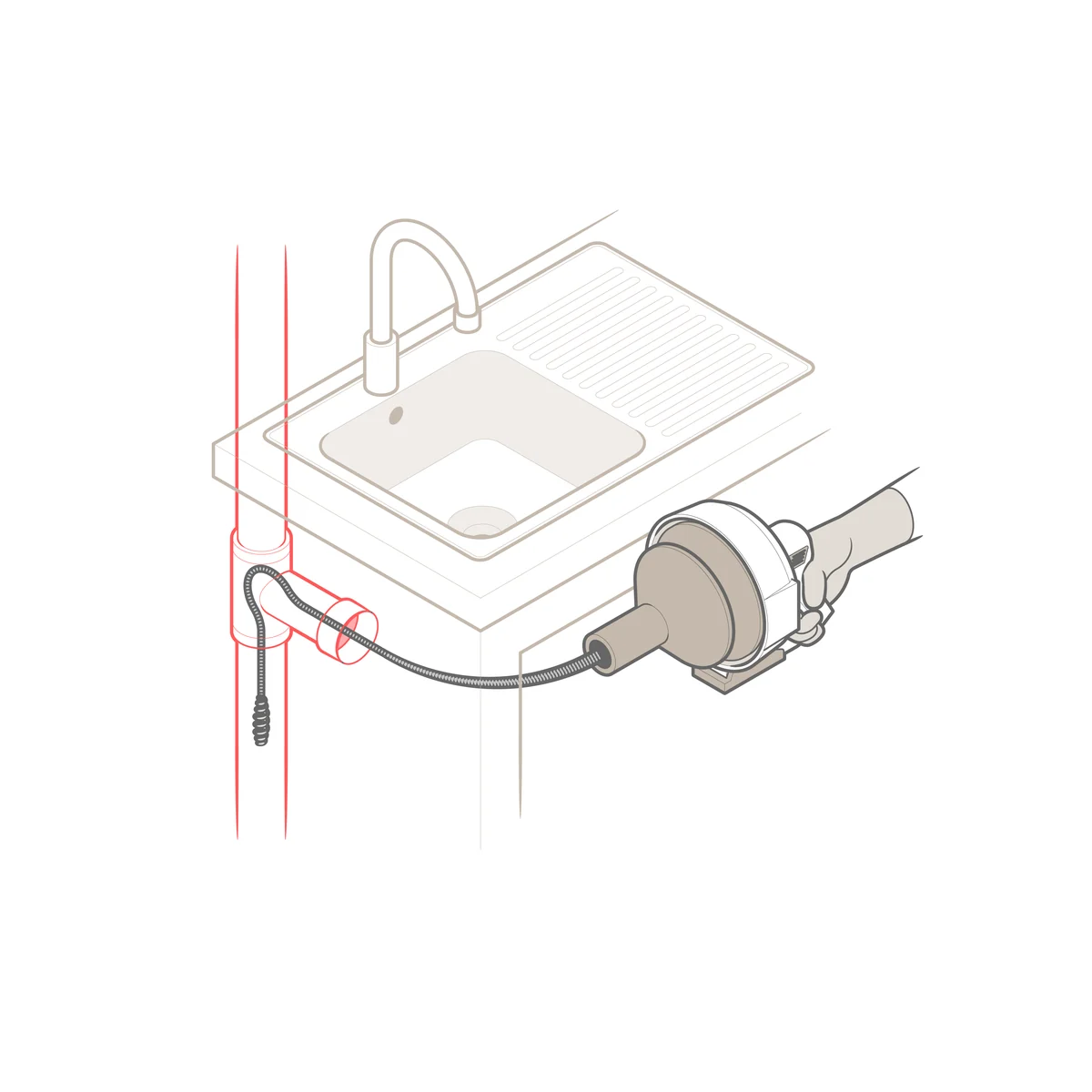
| Clean the trap | Put a bucket under the sink, undo the two nuts on the U-shaped trap and empty it. Most kitchen and bathroom sink clogs are right there. |
| Kettle and dish soap | For a slow, greasy kitchen drain: a good squirt of dish soap, then hot water. Hot from the tap, not boiling, if the pipes are plastic. |
| Screens and habits | A drain screen in the shower, grease in the bin and not the sink, and nothing but toilet paper down the toilet. |
Already poured it?
- Do not plunge it, and do not add a second product.
- Open a window and keep children and pets out of the room.
- Wear gloves and eye protection if you have to go near the standing water.
- On skin or in eyes: rinse with running water for at least 15 minutes and call BC Poison Control at 604-682-5050 or 1-800-567-8911.
- Tell us when you book, and tell the plumber at the door, what you used and how much. Keep the bottle.
Call 1-800-604-0631, any hour.
If you used it, we need to know
A plumber who opens a trap or runs a cable into a drain full of chemical gets it on their hands and in their face. So when drain cleaner has been used, the job changes:
- The plumber works in chemical gloves, eye and face protection.
- The standing water is vacuumed out and contained before any tool goes in.
- It is stored or disposed of safely, not tipped down the next drain.
Tell us and the fee is $50. If our plumber finds it on site and we were not told, it is $100. Both double after hours, like every other price. There is a box to tick on the booking form. Nobody will lecture you. We just need to send the right gear, and not telling us is how plumbers get hurt.
Find your drain
Each guide has the steps to try first and the signs that it is time to call.