

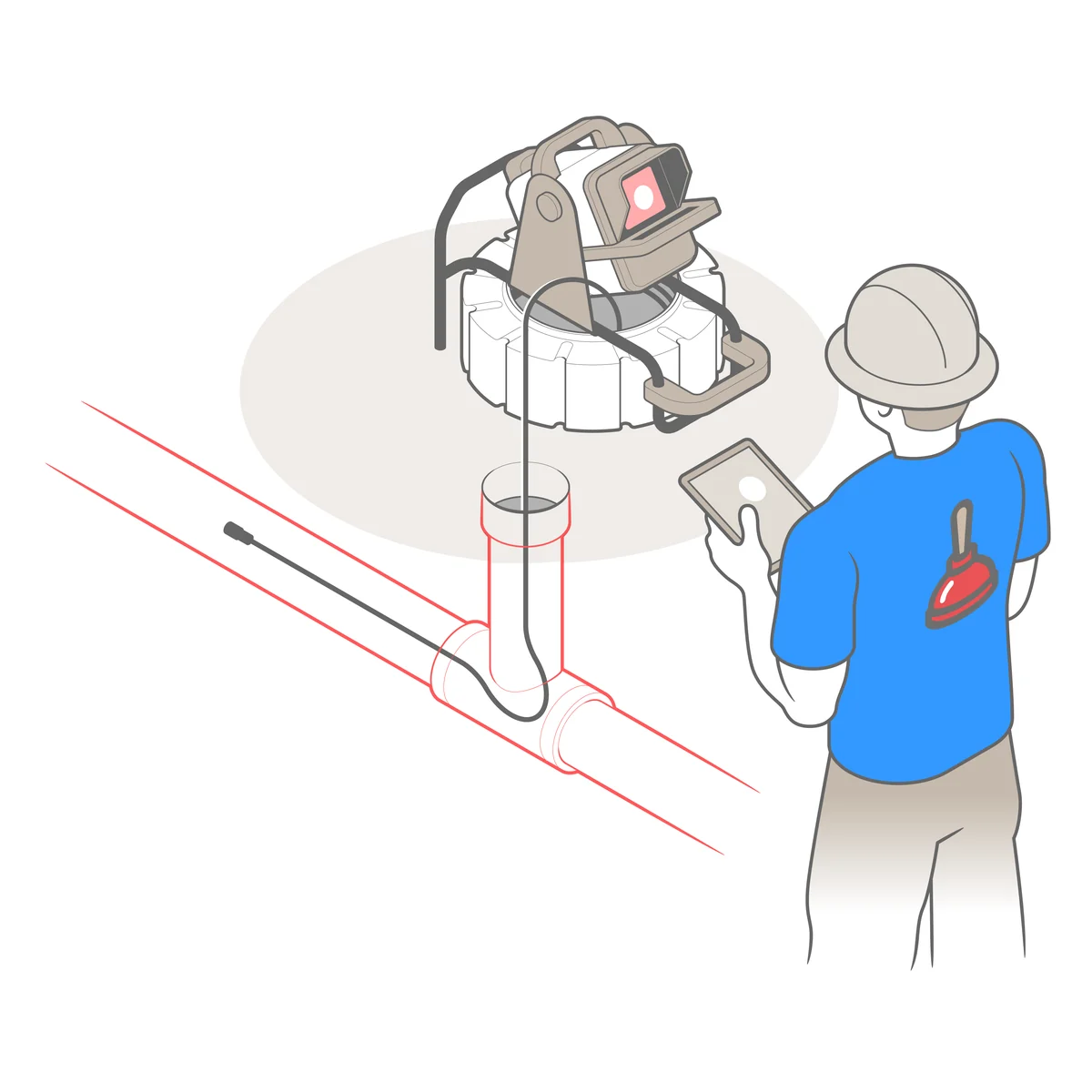
The five parts
| Traps | The U-shaped bend under every sink, tub, shower and floor drain is a P-trap. A toilet has an S-trap built into the porcelain. Each holds a little water, and that water seals out sewer gas. It is also where dropped rings, hair and grease collect first. |
|---|---|
| Branch lines | The pipes inside floors and walls that carry water from each fixture. They run nearly flat, with a slope of about a quarter inch per foot. Kitchen and bathroom clogs live here. |
| The stack | The large vertical pipe the branches drain into. It runs from the lowest floor up through the roof. Below the highest fixture it carries waste. Above it, it carries only air. |
| Vents | Pipes that let air into the system through the roof so that water can flow without pulling the traps dry. A blocked vent causes gurgling and slow drains with no clog anywhere. |
| The building sewer | One pipe, usually four inches across, that runs from under the house to the city's main in the street. Everything you send down any drain leaves through it. |
The cleanout: find yours before you need it
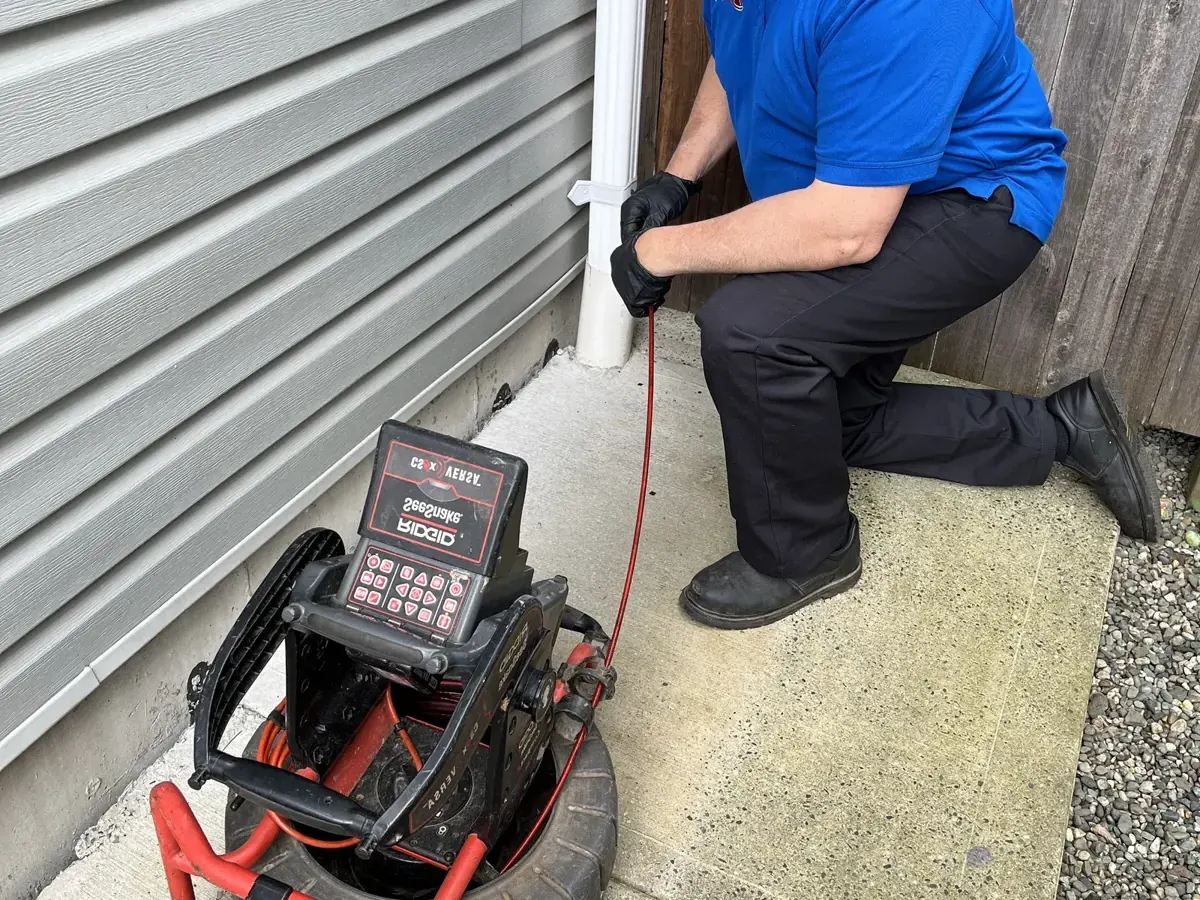
A cleanout is a capped opening that lets a plumber get a cable or camera into the pipe without removing a toilet. Most houses have a main cleanout where the sewer leaves the building: in the basement floor near the wall that faces the street, in a crawl space, or outside near the foundation. Some have none, which makes every sewer job slower and dearer.
Look for a round cap, three or four inches across, with a square nut in the middle. Know where it is and keep it clear. Do not open it while drains are backing up.
Two systems, not one: sanitary and storm
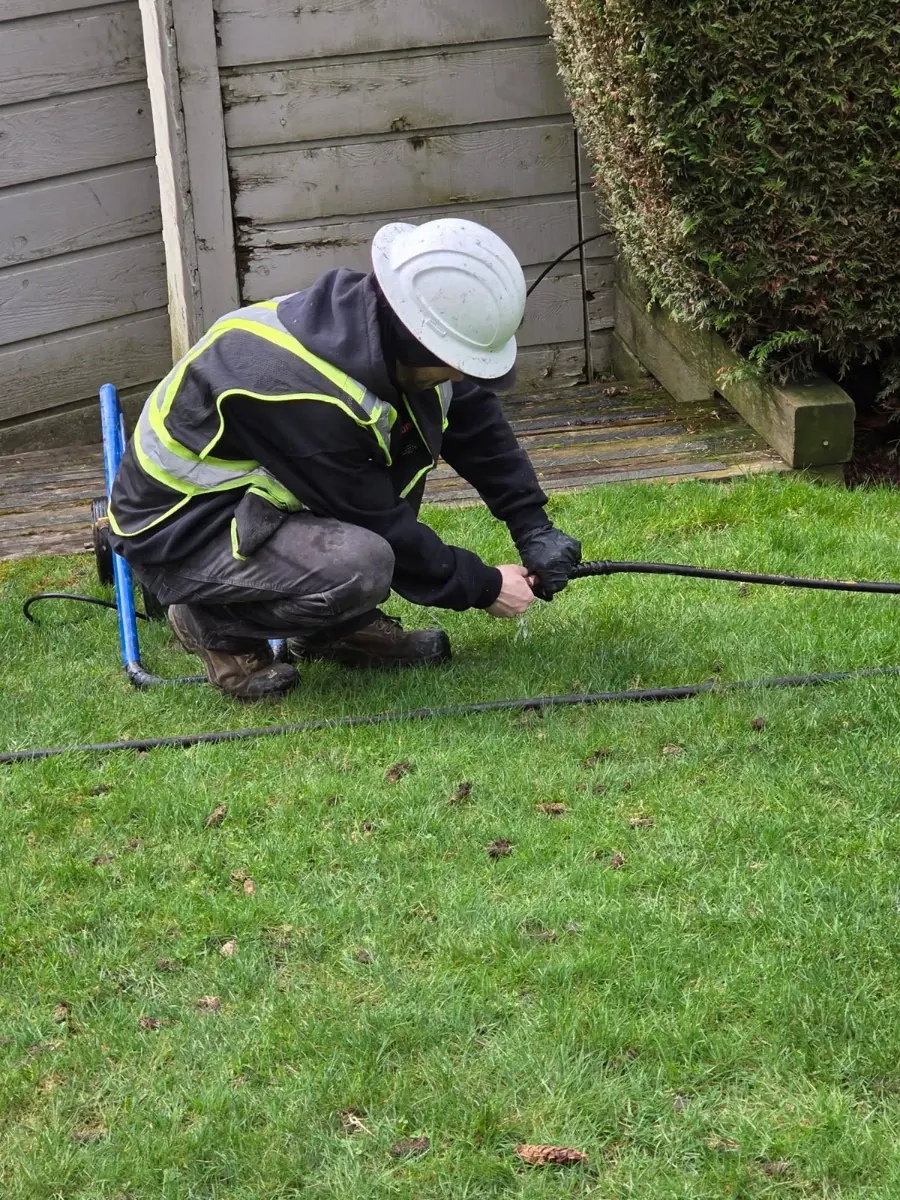
Your house has a second set of drains that has nothing to do with sinks and toilets. Rain from the roof, the driveway and the soil around the foundation goes to the storm system: gutters and downpipes, the perimeter drain (drain tile) around the footing, and often a sump with a pump.
The two are meant to stay separate. In older neighbourhoods they were sometimes joined into one combined sewer, which is why some basements back up in heavy rain. Knowing which system a problem is on tells you who to call and what it will cost. See drain tile and sump before the rains.
Where clogs happen, and what they tell you
| One fixture is slow | The trap or branch line of that fixture. Sink, tub, shower or toilet. |
|---|---|
| One bathroom is slow | The branch that bathroom shares, past where its fixtures join. |
| Lowest fixtures back up when upper ones drain | The building sewer. Main line clogs. |
| Gurgling with nothing slow | The vent. Gurgling drains. |
| Smell with nothing slow | A dry or siphoned trap. Sewer smell in the house. |
| Water at the foundation in rain | The storm side: drain tile or sump. |
Which part is yours
In a detached house you own everything from the fixtures to the property line. The city owns the main in the street and, in most municipalities, the connection from the main to your property line. Each city words it differently, and we have set out the rule for each on its city page.
In a condo or townhouse it depends on your strata's bylaws, but the usual split is that pipes serving only your unit are yours and shared pipes are common property. See strata and commercial.
Questions people ask
What pipe material do I have?
Roughly by age: cast iron and clay in houses built before the 1970s, black ABS plastic inside and PVC outside in most houses since. Renovated houses are often a mix, and the joins between old and new are where problems start.
Why does my drain need a slope and not a drop?
Too flat and solids settle. Too steep and the water outruns the solids and leaves them behind. A quarter inch per foot keeps them moving together.
What is a backwater valve?
A one-way flap on the building sewer that closes if the city main backs up, so sewage cannot be pushed into your basement. It needs checking and cleaning once a year.