

What drain tile is
Drain tile, also called a perimeter drain or weeping tile, is a pipe with holes in it laid around the outside of the foundation at footing level. Ground water seeps in and runs to the storm sewer, or to a sump where a pump lifts it out. Roof downpipes often tie into the same system.
Older houses have short clay or concrete tiles laid end to end. Newer houses have perforated plastic pipe. Both silt up and both take roots. The clay ones also shift and collapse.
The twenty-minute fall check
- Clean the gutters and check every downpipe is connected and running.
- Find the sump if you have one. Lift the lid. It should be mostly clear water, not thick with silt.
- Pour in a bucket of water or lift the float. The pump should start, empty the pit and stop.
- Go outside and check water is coming out where the pump discharges.
- If there are cleanouts at the corners of the house, take a cap off and run a hose in. The water should run away, not back up.
- Clear the grates of any driveway, patio and stairwell drains.
- Test the alarm or the battery backup if the pump has one.
Signs it needs cleaning or repair
- Damp at the bottom of basement walls or a white powdery line on the concrete
- Water at the foundation wall in heavy rain
- Downpipes that overflow at the ground
- A sump pit full of silt or iron-coloured sludge
- A pump that runs constantly, or never
- It has been more than a few years since anyone looked
Iron bacteria, the orange slime common in parts of the Fraser Valley, clogs drain tile and pumps faster than silt does and needs more frequent flushing.
What the work costs
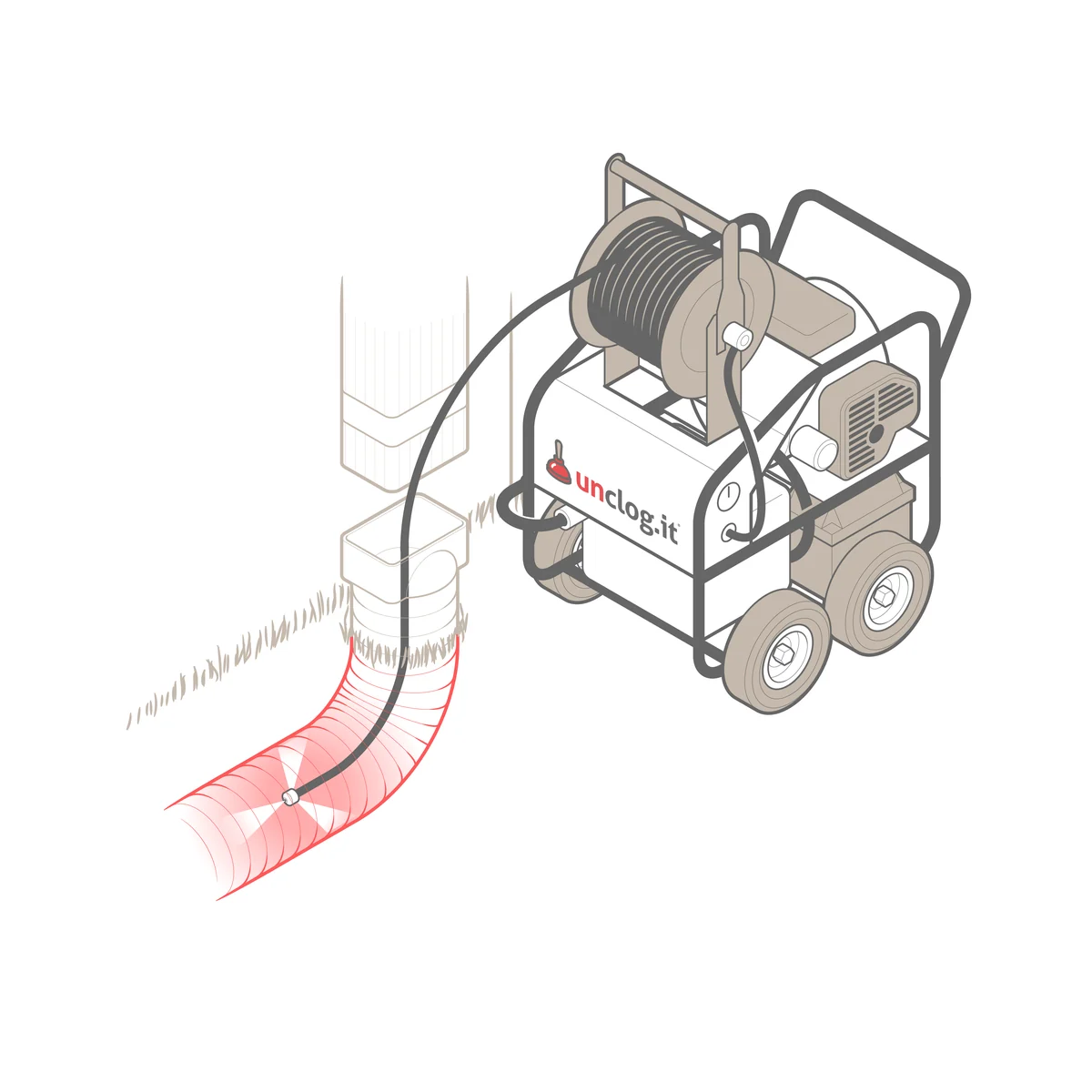
Cleaning is usually done by flushing the tile with a jetter from the cleanouts and then looking with a camera. It is hourly work: $289 for the first hour on site and $189 an hour after, because the length of pipe and the number of access points differ at every house. See drain tile cleaning and sump cleaning.
Repair and replacement involve digging and are quoted in writing after an on-site estimate ($269, taken off the price if you go ahead). See drain tile repair and sump pump installation.
For a real example of how a sump problem is diagnosed before anything is replaced, read Pure Mechanical Group's field report: when a sump alarm needs evidence before replacement.
Questions people ask
How often should drain tile be flushed?
Every two to three years for most houses, and yearly where there are big trees, a lot of silt or iron bacteria. A camera after the first cleaning tells you which you are.
How long does a sump pump last?
Often around ten years, less if it runs constantly or sits in silt. Replace it on your schedule in summer, not in the first storm.
Is a flooded basement from failed drain tile insured?
Policies differ on ground water, sewer backup and overland flooding, and they are often separate add-ons. Ask your insurer which you have before you need it.